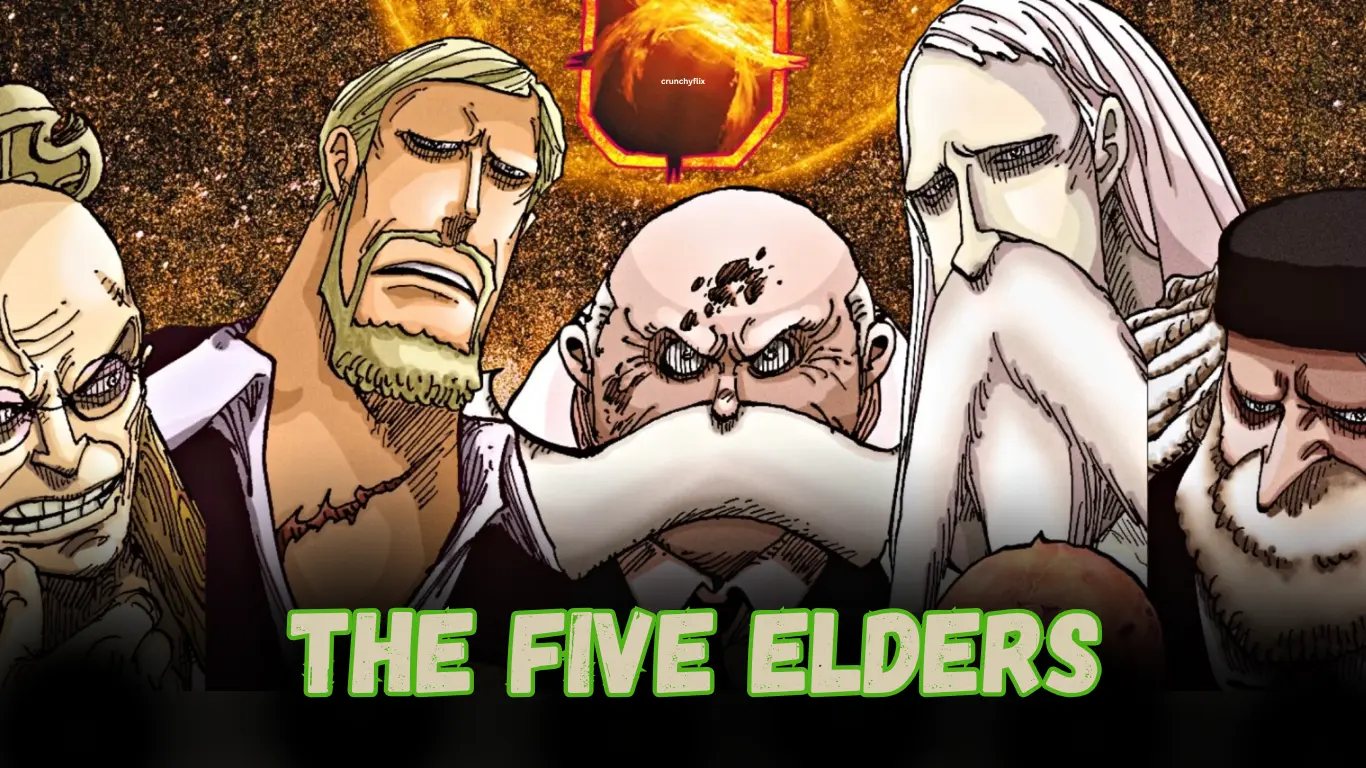
Few mysteries in long-running shonen manga have generated as much sustained theorizing as One Piece’s Will of D. It’s never been explained outright, yet it connects some of the most consequential figures in the entire story — Gol D. Roger, Monkey D. Luffy, Marshall D. Teach, and a growing list of others who all share the same mysterious middle initial. The World Government treats the name itself as dangerous, which raises the obvious question: what exactly is the Will of D, and why does a title with no stated definition terrify the people running the world? This breakdown walks through what’s actually been confirmed, who carries the name, and which theories currently have the strongest textual support.
The Will of D isn’t confirmed yet, but every major clue points to a bloodline tied to the lost Ancient Kingdom that opposed the Celestial Dragons before the Void Century. Carriers of “D” are described as “natural enemies of the gods,” and the World Government’s active suppression of the name is itself the strongest evidence that the theory is on the right track.
What the Will of D Actually Is (Based on What’s Confirmed)
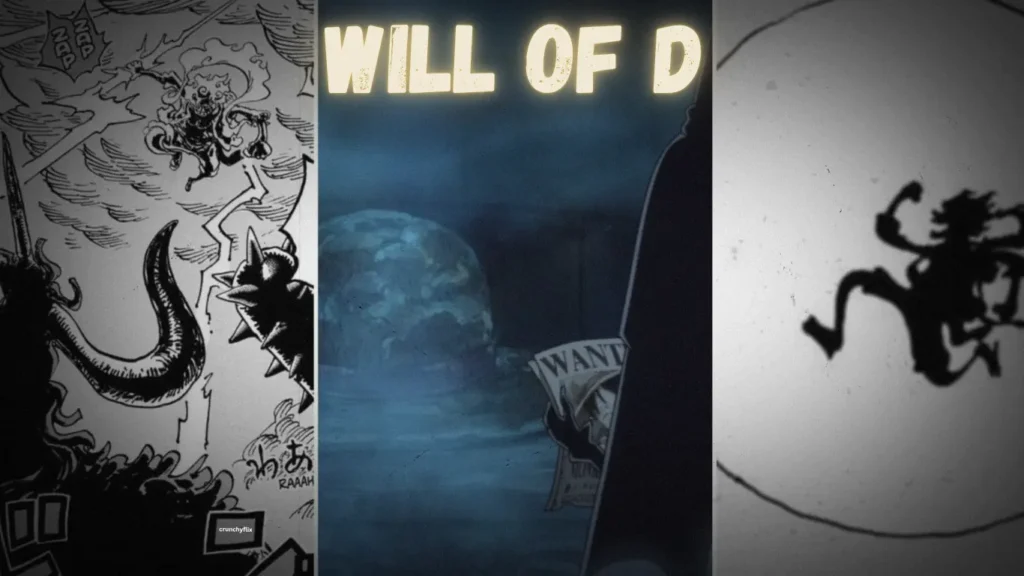
Stripped down to only what the story has directly stated, the Will of D is a recurring thematic marker — not a Devil Fruit, not a bloodline confirmed by name, but a shared “D” that keeps appearing among people who go on to shake the foundations of the world order. A handful of facts are consistently treated as true within the story: the initial recurs across generations and bloodlines that don’t otherwise appear connected, the people who carry it tend to become major historical figures rather than background characters, the World Government actively works to suppress information connecting these people, and the concept ties back somehow to the Void Century and the lost Ancient Kingdom.
The single most direct piece of in-story testimony comes from Donquixote Rosinante, who describes those carrying the Will of D as the “natural enemies of the gods” — a line that’s done more to shape fan theorizing than almost anything else in the series, since it explicitly frames the D clan in opposition to the Celestial Dragons, who are treated in-universe as living gods.
Major Characters That Carry the Name “D”
| Character | Role | Why It Matters |
|---|---|---|
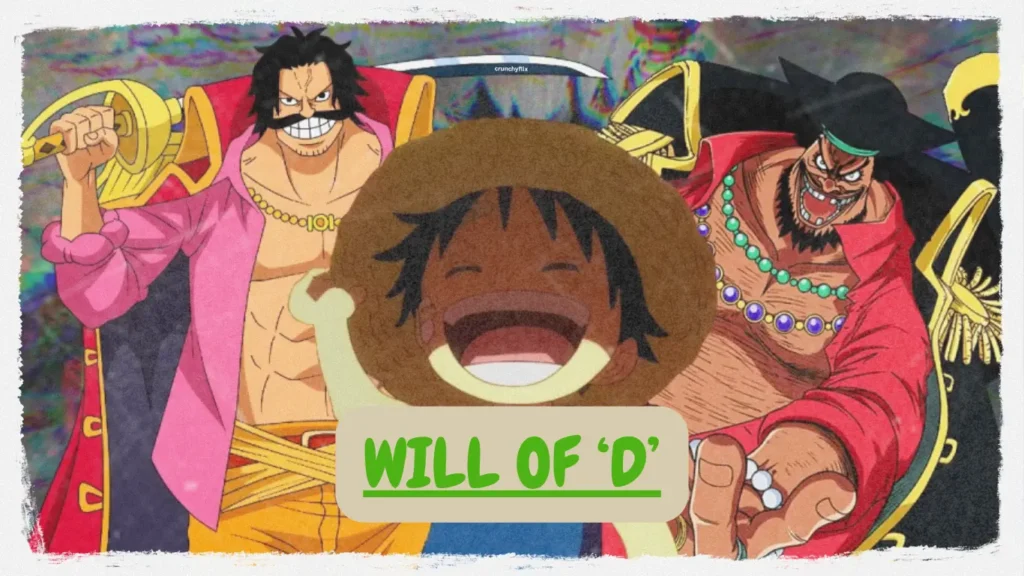
| Gol D. Roger | Original Pirate King | Reached Laugh Tale, laughed at the truth he found |
| Monkey D. Luffy | Current protagonist | Nika awakening ties him to Joy Boy directly |
| Marshall D. Teach | Blackbeard | A “corrupted” D — same lineage, opposite goal |
| Rocks D. Xebec | Pre-Roger era pirate king | Only known D confirmed to predate Roger’s generation |
All The Known ‘D’ Characters in One Piece
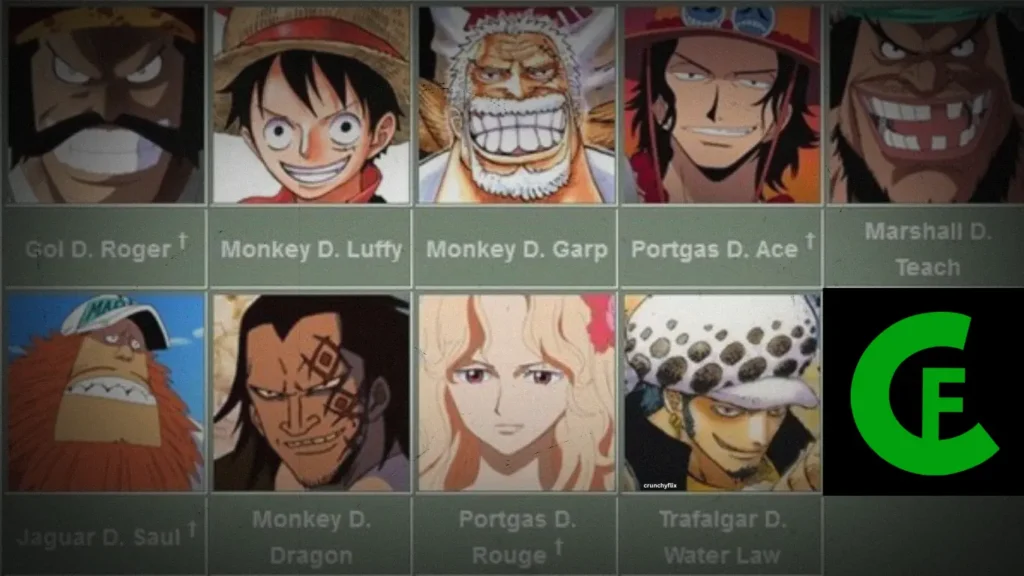
The list of known or strongly implied D characters has grown substantially over the course of the story, and looking at them together makes the pattern clearer than looking at any single character alone.
1. Monkey D. Luffy
Monkey D. Luffy is the current protagonist and, notably, shares several defining traits with Gol D. Roger — a fearless, freedom-driven personality that seems to recur across the bloodline regardless of upbringing. His awakening of the Nika Devil Fruit, formally known as the Hito Hito no Mi, Model: Nika, has added a second layer to his significance, tying him not just to the D lineage generally but specifically to the legendary figure Joy Boy.
2. Gol D. Roger
Gol D. Roger was the original Pirate King, the man who reached Laugh Tale and uncovered the true history of the world before anyone else. His famous laughter at the end of his journey is one of the series’ most-discussed unexplained moments, widely read as evidence that what he found there reframed everything he thought he knew — and that whatever he learned, he chose to pass forward rather than keep to himself.
3 . Monkey D. Garp
Monkey D. Garp, Luffy’s grandfather, occupies a strange position as a legendary Marine hero who nonetheless clashed with Roger multiple times without ever fully buying into the World Government’s methods. His decision to let Ace and Luffy grow up largely outside Marine doctrine — despite his own rank — reads as a quiet act of defiance in line with the D pattern even though Garp himself stayed inside the system.
4. Marshall D. Teach (Blackbeard)
Marshall D. Teach, known as Blackbeard, complicates the pattern rather than confirming it cleanly. Where every other prominent D character is defined by some form of principled defiance, Teach is manipulative and self-serving, using stolen knowledge and abilities for personal gain. His status as the only known character able to wield two Devil Fruits at once makes him one of the story’s biggest wildcards, and many fans read him as evidence that the Will of D isn’t inherently heroic — it’s closer to a capacity for disruption that can be pointed toward either liberation or personal power.
5. Monkey D. Dragon
Monkey D. Dragon, leader of the Revolutionary Army and Luffy’s father, directly and openly opposes the World Government, making him one of the clearest examples of the “natural enemy of the gods” framing. His actual goals and his connection to the Void Century remain largely unexplored, which keeps him one of the more promising characters for future reveals.
6. Trafalgar D. Water Law
Trafalgar D. Water Law rounds out the more strategically minded D characters, actively pursuing the truth about the Void Century rather than stumbling into it. His backstory connection to Donquixote Rosinante — the same character who delivered the “natural enemies of the gods” line — gives him a plausible route to being the one who eventually explains more of this mystery directly to readers.
7. Portgas D. Ace & Portgas D. Rouge
Portgas D. Ace, alongside his mother Portgas D. Rouge, demonstrates that the Will of D is hereditary rather than randomly assigned. Rouge’s decision to carry Ace to term under extreme pressure specifically to preserve Roger’s bloodline is treated as a pivotal, sacrificial act within the story’s history.
8. Nefertari D. Lily & Nefertari D. Vivi
Beyond the confirmed names, several characters are widely suspected without direct confirmation. Nefertari D. Lily, a former queen of Alabasta who vanished under mysterious circumstances, appears to unsettle Imu specifically by name, which many readers take as a sign her lineage holds real weight. Her descendant, Nefertari Vivi, carries similar implications — the World Government has labeled the Nefertari family “traitors,” a description that lines up suspiciously well with how every other D-affiliated family has been treated.
9. Jaguar D. Saul
Jaguar D. Saul, a giant and former Marine vice admiral, is notable both as the only known giant carrying the name and for his role protecting Nico Robin during the destruction of Ohara.
10. Rocks D. Xebec
Rocks D. Xebec predates all of them, remembered as the most feared pirate before Roger and the former leader of a crew that included Kaido, Big Mom, and Whitebeard — placing a D character at the center of Age-of-Piracy history well before Roger’s own generation.
11. Sabo’s Connection to the Will of D
Sabo doesn’t carry the initial at all, but his position as Luffy and Ace’s sworn brother and his role as Dragon’s right hand in the Revolutionary Army put him close enough to the pattern that many fans treat him as carrying the will of the D clan in practice, even without the name.
One Piece Rivalries that can prove to be Epic
Theories About the True Meaning of the Will of D
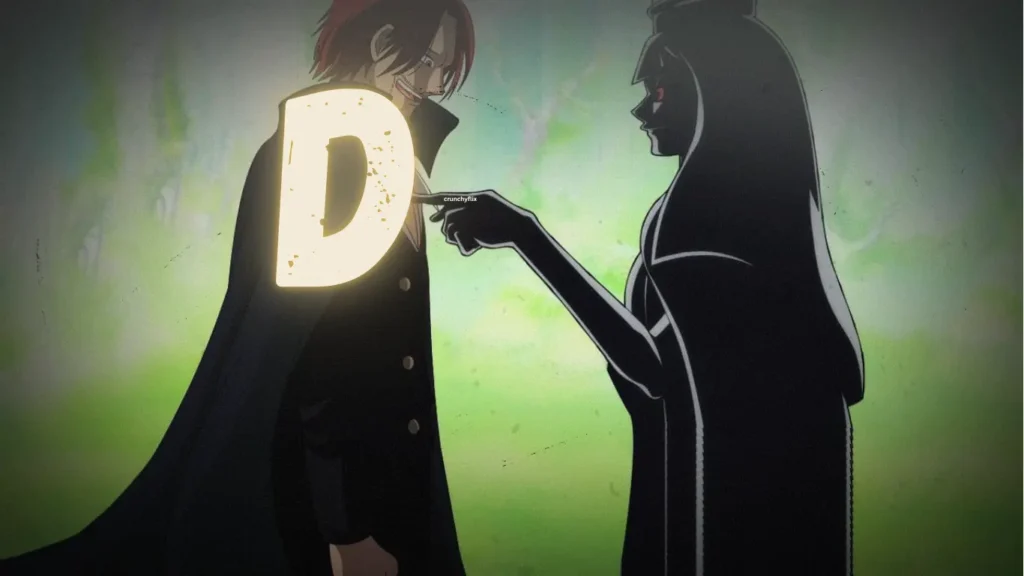
The most widely supported reading treats the D clan as descendants or successors of the Ancient Kingdom, a civilization erased during the Void Century for reasons the World Government has spent centuries covering up. Under this theory, the Will of D represents the last living thread back to that erased history — which would explain both why the initial keeps producing people who threaten the current order, and why the government treats even the name as dangerous.
A closely related theory ties the D clan to Joy Boy specifically, framing the Will of D less as a bloodline and more as an inherited purpose — a promise passed down to eventually free the world from whatever the Ancient Kingdom was trying to prevent. Luffy’s Nika awakening is the strongest piece of evidence for this reading currently in the story, since it directly links him to Joy Boy rather than just to the general D pattern.
A More literal theory reads the initial itself as meaningful — proposing “Destroyer” as the intended meaning, positioning the D clan as the group history-appointed to eventually bring down the Celestial Dragons and the current world order they preside over.
So in short these theories suggest that the name of D represents:
- The Enemies of the Celestial Dragons
- Connection to the Ancient Kingdom & Void Century
- Joy Boy and the Successor of the Will of D
Who Could Be the Next D Character?
- Bonney (Jewelry D. Bonney?) – She has a mysterious past and strong ties to Kuma.
- Imu (Imu D.?) – Could the ruler of the world secretly be part of the D clan?
- Shanks (Shanks D.?) – He has close ties to Roger and the Gorosei.
Get to Know More About The Will Of D
Why This Actually Matters for the Story
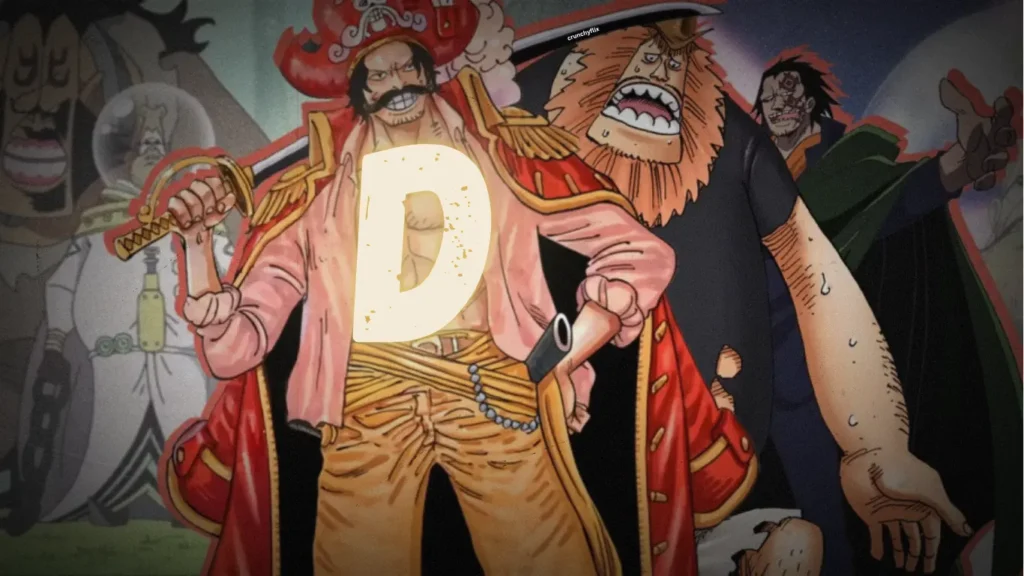
Beyond the theorizing, the D clan’s importance comes down to three consistent patterns: every known D character has opposed the World Government in some form, several of them have directly altered the course of history — Roger finding Laugh Tale, Luffy repeatedly destabilizing the Yonko system — and the concept itself appears to be a genuine key to unlocking the Void Century, one of the story’s oldest unresolved mysteries. The fact that Imu and the Gorosei visibly react to the name is, on its own, some of the strongest in-story evidence that the D clan isn’t just a fan pattern-matching exercise — it’s something the people at the top of the world’s power structure are actively afraid of.
Follow us on Social Media – Just Click the Icons Below
Conclusion
The Will of D remains unconfirmed, but the pattern is too consistent to be coincidental at this point in the story. Whether it turns out to mean “Destroyer,” ties directly to Joy Boy, or represents something not yet revealed, one thing is already clear from everything shown so far — it represents defiance, inherited purpose, and a direct throughline to whatever really happened during the Void Century. As the story moves deeper into its final arcs, the payoff for this particular mystery is likely to be one of the biggest reveals One Piece has left.
What do you think the Will of D actually means? Drop your theory in the comments below.
Share on other Social Media Platforms