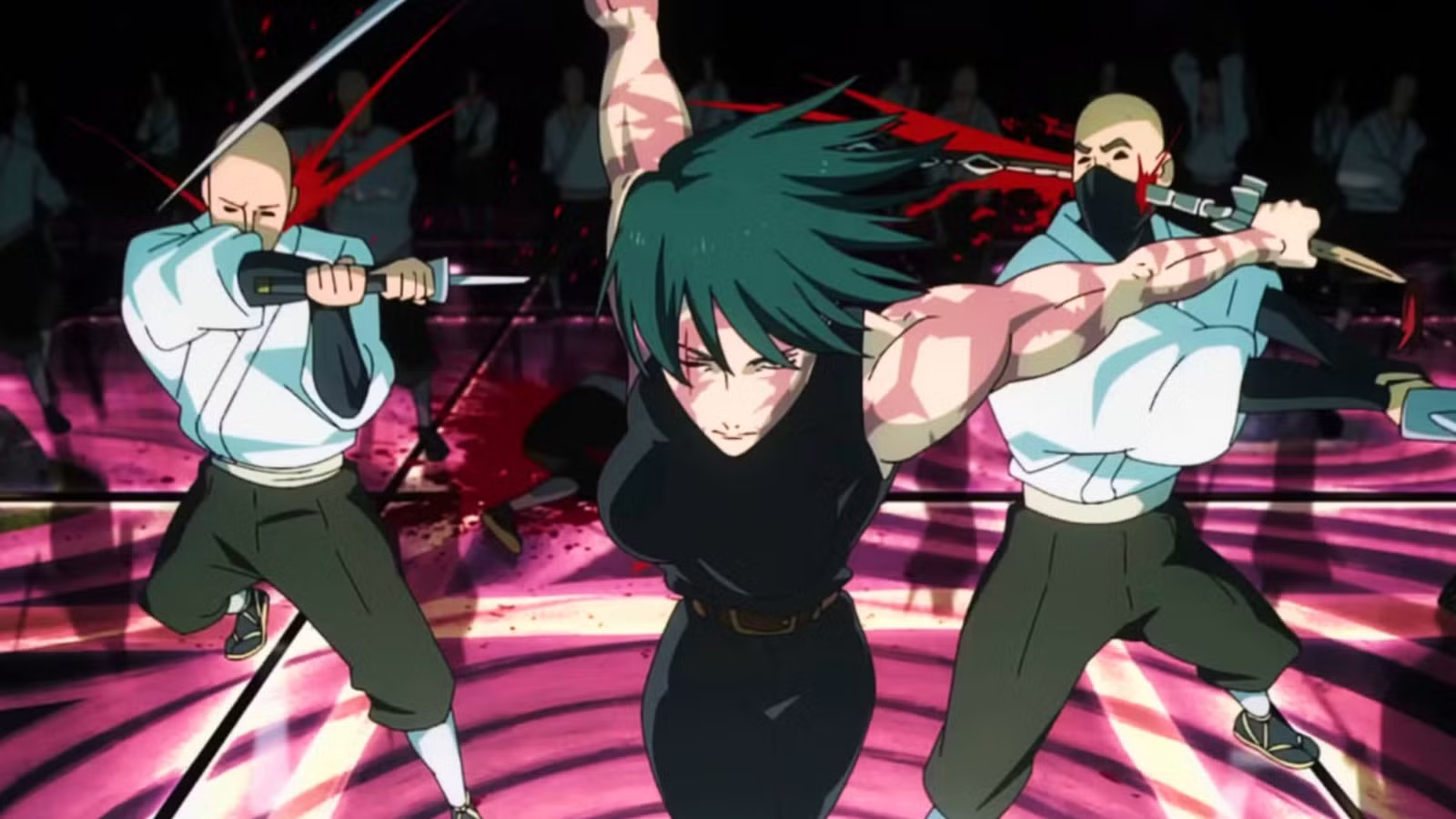
Season 3 of Jujutsu Kaisen, subtitled The Culling Game Part 1, ran for twelve episodes between January and late March 2026, and it ended with the Sendai colony battle still echoing. The story continues in Season 4, officially titled The Culling Game Part 2. MAPPA has confirmed it is in production and has teased fights like Hakari versus Kashimo, but at the time of writing there is still no confirmed premiere date. That long wait is exactly why the Culling Game theory scene is so busy right now.
Jujutsu Kaisen Season 3 (The Culling Game Part 1) aired 12 episodes from January to March 2026. Season 4, The Culling Game Part 2, is in production with no confirmed premiere date. The two theories that hold up best against what the anime has shown are that Kenjaku’s plan is bigger than the game itself and that the Culling Game can only be survived, not won.
This article ranks seven theories by how well they hold up against what the anime has actually shown. We are not guessing what we want to happen. We are asking which ideas follow the logic the series has already built, and which ones need the story to invent something new. A few of them we think are quite likely. A couple are long shots, and we say so.
⚠️ A Note on Spoilers
This post discusses events through the end of Season 3 and treats everything beyond that as theory. The manga is already finished, which means manga readers know how the arc resolves. We keep manga outcomes out of this guide on purpose, so anime-only viewers can read it without being spoiled. If you have read the manga, treat this as a look at how the anime has been setting things up rather than a prediction piece.
Each Theory Scorecard
| Theory | Key Character | Our Verdict |
|---|---|---|
| Kenjaku’s real goal is bigger than the game | Kenjaku | Strong |
| Megumi becomes the arc’s biggest threat | Megumi Fushiguro | Plausible |
| Yuta is being set up as the final boss | Yuta Okkotsu | Long Shot |
| A courtroom verdict changes how the game ends | Hiromi Higuruma | Plausible |
| Angel knows more about the Prison Realm | Angel (Hana Kurusu) | Plausible |
| Kashimo reveals Sukuna’s true power level | Hajime Kashimo | Plausible |
| The game can only be survived, not won | Yuji and the sorcerers | Strong |
How We Score a Theory
Not every theory deserves the same weight, so we use three simple tests. First, does it fit what the character has actually said and done? A theory that contradicts a character’s established motive is a weak one. Second, does it work inside the rules the series has already set up, such as binding vows, cursed techniques and the Culling Game’s own rule system? Third, how much new information does the theory need? The more the story has to invent for the theory to work, the less likely it is. Each theory below ends with a verdict: Strong, Plausible or Long Shot.
1. Kenjaku’s Real Goal Is Far Bigger Than the Culling Game Itself
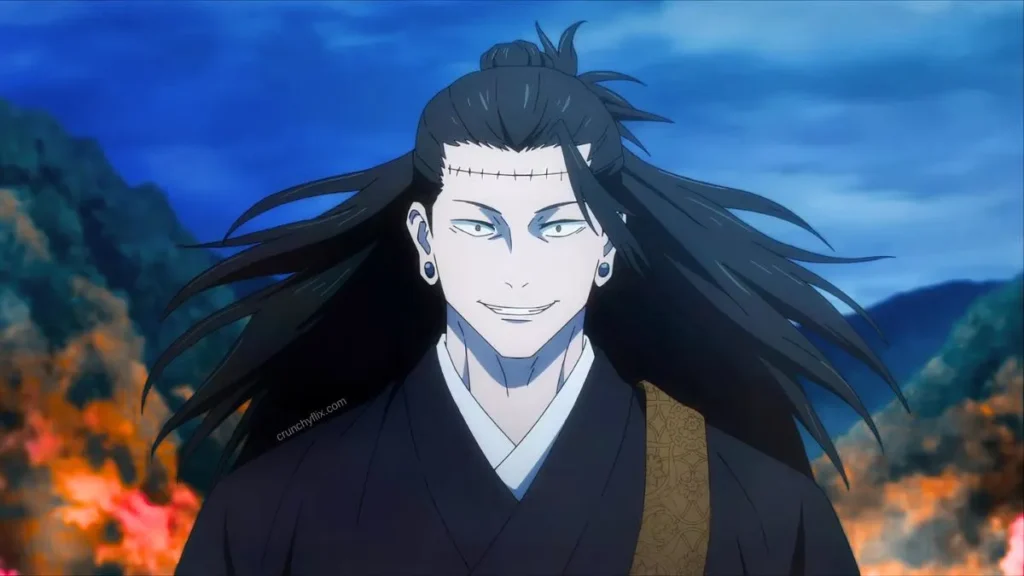
The common assumption is that Kenjaku launched the Culling Game to harvest cursed energy. The more convincing reading is that the game is a tool, not the goal. Kenjaku has spent roughly a thousand years planning, swapping bodies and quietly shaping events, including the ones that led to Yuji’s existence. A mind working on that timescale rarely builds a battle royale just to collect power.
The theory is that the real aim involves Tengen: pushing cursed energy and cursed techniques across Japan until the country’s population can be drawn into a merger with her. The Culling Game spreads techniques to ordinary people and raises cursed energy output nationwide, which are exactly the conditions a merger like that would need. The series has pointed at Tengen’s role in Kenjaku’s plans more than once, and her unusual situation as a vessel system is part of why the timing matters.
Why it works: it fits Kenjaku’s patience, it uses a plot element the story has already established, and it explains why the game has so many moving parts. What it still needs is confirmation of what the merger actually does, and the anime has not spelled that out yet. Verdict: Strong.
2. Megumi Will Become the Arc’s Biggest Threat, Not Its Hero
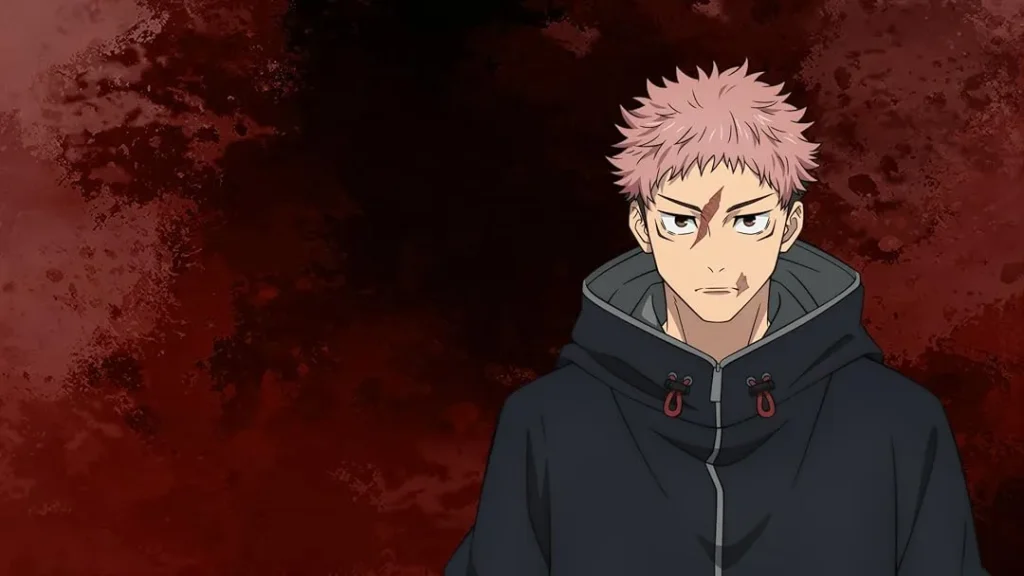
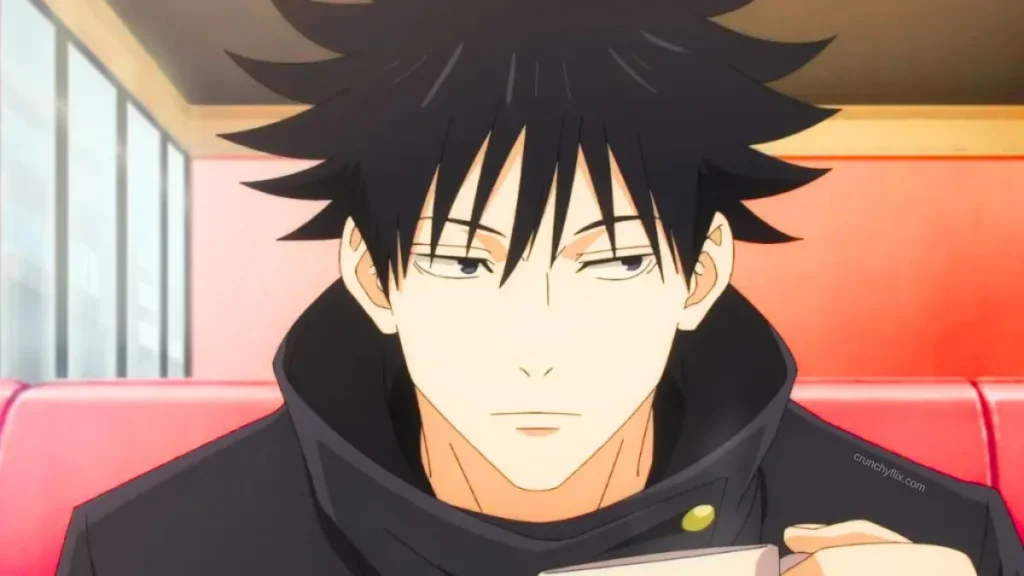
Megumi Fushiguro has been framed as Yuji’s mirror since the start: similar potential, different philosophy. Entering the Culling Game, his motive is simple and personal. He wants to save his stepsister Tsumiki. That kind of emotional pressure point is exactly what this series likes to turn into a weapon.
The theory is that Sukuna’s interest in Megumi’s Ten Shadows Technique is strategic rather than casual. He has shown fascination with it since the early seasons, and the Culling Game puts Megumi in the position where he is most worn down and most willing to take risks. If Sukuna’s long game involves using Ten Shadows without restriction, then protecting Yuji’s body is not the real fight. Megumi is.
The evidence is circumstantial but consistent. Sukuna’s behavior toward both boys looks calculated rather than casual. Our read is that “biggest threat” may be too strong. The more likely version is Megumi as the story’s most dangerous liability rather than an outright villain. Verdict: Plausible.

3. Yuta Okkotsu Is Being Set Up as the Final Boss
This is the most controversial theory on the list, so we will be upfront: we rate it a long shot. The case for it goes like this. Yuta returned as one of the strongest active sorcerers, he operates largely outside Jujutsu High’s authority, and his stated goal is to kill Kenjaku. Season 3 showed that his methods are blunt, and that he is willing to fight Yuji to get what he wants. Viewers saw the two clash early in the season before Yuji learned what Yuta was really after.
The theory says that a sorcerer with enormous cursed energy, Rika at his side, no institutional leash and a single obsessive target is a story waiting to turn. If Kenjaku is removed, what does Yuta aim at next? The series has quietly raised that question.
Why we doubt it: Yuta’s entire arc is about learning to use his power responsibly and accept the people around him. A villain turn would undo one of the series’ most complete character journeys, and the story would need to supply a lot of new motivation. It is still worth keeping on the list as a way of asking what the end of the Culling Game does to the strongest sorcerers left standing. Verdict: Long Shot.
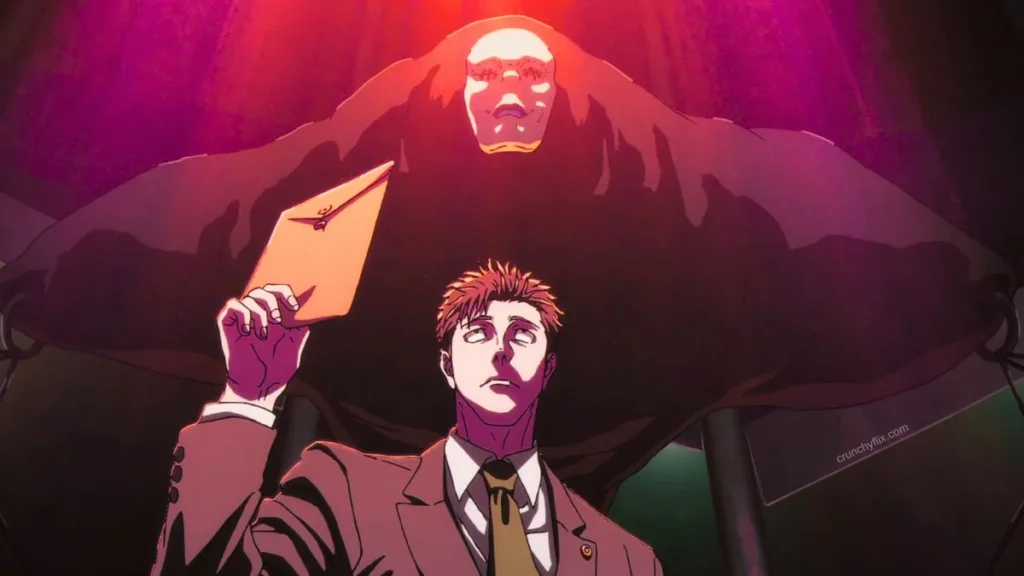
4. Hiromi Higuruma’s Rules Will Change How the Culling Game Ends
Hiromi Higuruma, a disgraced lawyer, is one of the most original additions to the arc. His domain, Deadly Sentencing, turns the battlefield into a courtroom where guilt decides the outcome, and a guilty verdict can strip a person’s cursed technique entirely. That is unlike any other power in the series.
The theory asks what happens when the right defendant stands in that courtroom. Judgeman rules on guilt, not strength, so someone with a long record of harm, like Kenjaku, may be more vulnerable to it than any opponent who simply hits harder. The Culling Game itself runs on rules, and rule-based endings are a familiar move for this series. Beating a rules-based game by exploiting a rule feels more at home than overpowering it.
The weak point is practicality. Getting Kenjaku or Sukuna into that courtroom is a huge ask, and the series would have to explain why neither could simply refuse the trial. But as a theory about how the arc might end through a loophole instead of a bigger fist, it fits the series’ tone. Verdict: Plausible.

5. Angel Knows More About the Prison Realm Than She Lets On
Angel, the ancient sorcerer living in Hana Kurusu’s body, presents herself as the person who can free Gojo. Her technique, Jacob’s Ladder, can nullify cursed techniques, which is exactly what you would need to undo the Prison Realm. That makes her the most important person for the plot to keep alive.
Viewers have noticed that her conditions and motives seem oddly specific. The theory is that she is not simply a historical sorcerer who woke up inside the Culling Game, but someone with a personal stake in how the Prison Realm and Tengen’s barrier system fit together. Ancient sorcerers in this series rarely act without a reason, and Angel has not fully shown hers.
What we like about the theory is that it fits how the series handles allies of convenience. Almost every powerful newcomer has an agenda that complicates the heroes’ plans. What we do not like is that the link to Tengen’s barrier is speculative, so treat it as an open question rather than a prediction. Verdict: Plausible.

6. Hajime Kashimo Is the Key to Understanding Sukuna’s True Power Level
Hajime Kashimo entered the Culling Game with a goal that has nothing to do with collecting points: he wants to fight Ryomen Sukuna. After centuries of waiting, that is a very clear signal that his fight is meant to tell us something.
The theory is that Kashimo is the series’ measuring stick. Power scaling at the top of Jujutsu Kaisen has stayed deliberately vague. We have seen what Gojo could do and how far Yuta’s cursed energy extends, but Sukuna has rarely shown his full range. A character built around that one confrontation is the natural way to show the gap.
Here is the nuance, though. The Part 2 teaser puts Kashimo against Hakari, so the anime is clearly spending time on his other fights first. That does not kill the theory, but it means a Sukuna fight, if it comes, has a longer runway. If it does come, the interesting part will not be who wins. It will be how decisively. Verdict: Plausible.
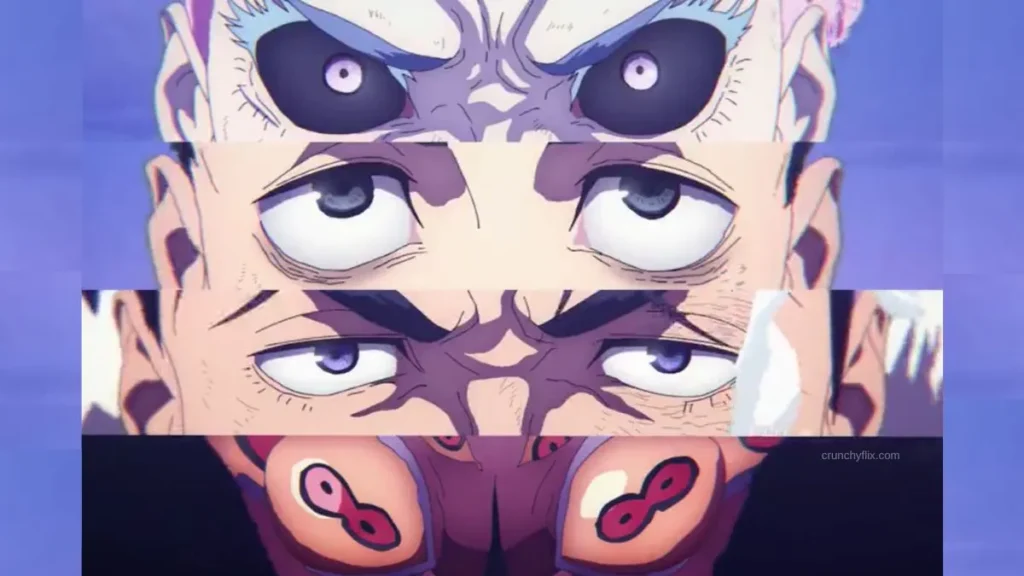
7. The Culling Game Cannot Be Won, Only Survived
The last theory is the bleakest and possibly the most accurate. Kenjaku designed the rules, and he had a very long time to plan for clever opponents. Every move the sorcerers make, from earning points to changing rules to recruiting players, happens inside a framework he built.
The theory says the heroes will not beat the game so much as escape it, at serious cost. That matches the series’ philosophy. Jujutsu Kaisen has never really been about clean victories. The Shibuya Incident ended in survival and grief, not triumph, and the Culling Game looks built to follow the same shape: the plan advances, some players get out, others do not, and the next stage of the story begins in a changed world.
It is also the theory that is hardest to disprove, because it is really a claim about tone. A series can surprise you with a win and still be in character. But if you want to know what mood to bring to Part 2, this is the safest one to prepare for. Verdict: Strong.

The Final Scorecard
Putting it together: theories 1 and 7 are the strongest, because they rest on what the series has already established and on its overall philosophy. Theories 2, 4, 5 and 6 are plausible but depend on details we have not seen yet. Theory 3, the Yuta villain turn, is the one we would bet against, even though it is the most fun to argue about.
Follow us on Social Media – Just Click the Icons Below
How to Catch Up Before Part 2
If you are new to the series, or you want a refresher before Season 4 arrives, watch in this order: Season 1, the Jujutsu Kaisen 0 movie, then Season 2 for the Shibuya Incident, and finally Season 3. Season 3 begins right after Shibuya and assumes you know what happened there. A compilation film, Jujutsu Kaisen: Execution, also recapped Shibuya and included the first two episodes of Season 3, so it works as a quick bridge if you are short on time.
Final Thoughts
The Culling Game is the most ambitious story Jujutsu Kaisen has told, and the Part 1 finale left more open questions than answers. The best theories do not predict what fans want. They follow the logic the series has been building all along, and that is the standard we tried to hold these seven to.
Which theory do you think is closest to the truth? Tell us in the comments, and if you want to catch up before the next episodes arrive
Check out our [Complete JJK Watch Order Guide (2026)] and click here for a filler guide [JJK Filler List: Episodes You Can Skip].
Share on other Social Media Platforms