You’re Not Choosing What to Watch — The Algorithm Is
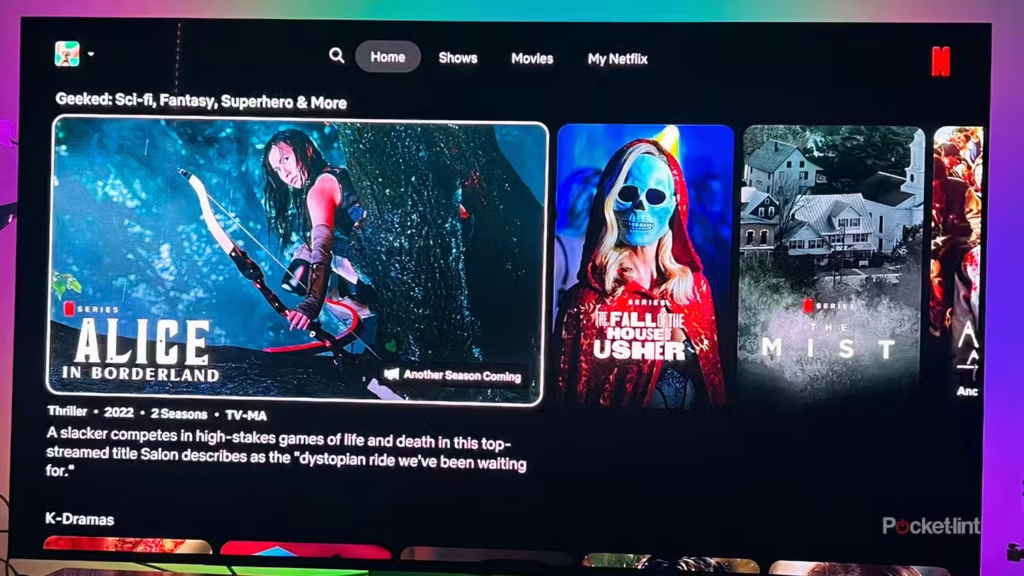
Have you ever opened Netflix, Crunchyroll, or Prime Video with a clear plan to watch one episode — only to end up binge‑watching an entirely different series the algorithm pushed to your homepage?
That’s not an accident.
In today’s streaming era, algorithms quietly shape what anime and TV series we discover, binge, ignore, or never even see. From Netflix’s hyper‑personalized rows to Crunchyroll’s genre‑driven anime suggestions, streaming platforms no longer just host content — they actively curate your taste.
For anime fans and TV lovers alike, this has completely changed how we consume entertainment. Shows no longer rise purely because of word‑of‑mouth; they rise because algorithms decide what deserves visibility.
In this Crunchyflix deep dive, we’ll explore:
- How streaming algorithms actually work
- How they influence anime & TV viewing habits
- Why binge‑watching feels irresistible
- The hidden downsides of algorithm‑driven discovery
- What the future of streaming recommendations looks like
Whether you love or hate recommendations, one thing is clear — algorithms are rewriting the rules of watching anime and TV.
What Are Streaming Algorithms? (In Simple Terms)
Streaming algorithms are AI‑powered recommendation systems designed to predict what you’re most likely to watch next.
They analyze massive amounts of user data, including:
- What you watch
- How long you watch
- What you skip or drop
- Your watch time (day vs night)
- Search history
- Ratings, likes, or interactions
Using this data, platforms build a viewer profile — not just who you are, but what kind of content keeps you watching longer.
Two Core Recommendation Methods
1. Collaborative Filtering
This method recommends shows based on people with similar tastes.
“Users who watched Attack on Titan also watched Vinland Saga.”
If viewers with similar viewing habits loved a certain anime or TV series, chances are the algorithm will push it to you.
2. Content‑Based Filtering
This focuses on what the content is about, using metadata like:
- Genres
- Themes
- Tone
- Keywords
- Studio or creators
For example, if you watch dark psychological anime, you’ll keep seeing similar titles — even if they’re not mainstream hits. Most platforms use a hybrid of both, constantly refining recommendations in real time.
How Algorithms Are Reshaping Anime Discovery
Anime Is No Longer “Niche” — Thanks to Algorithms
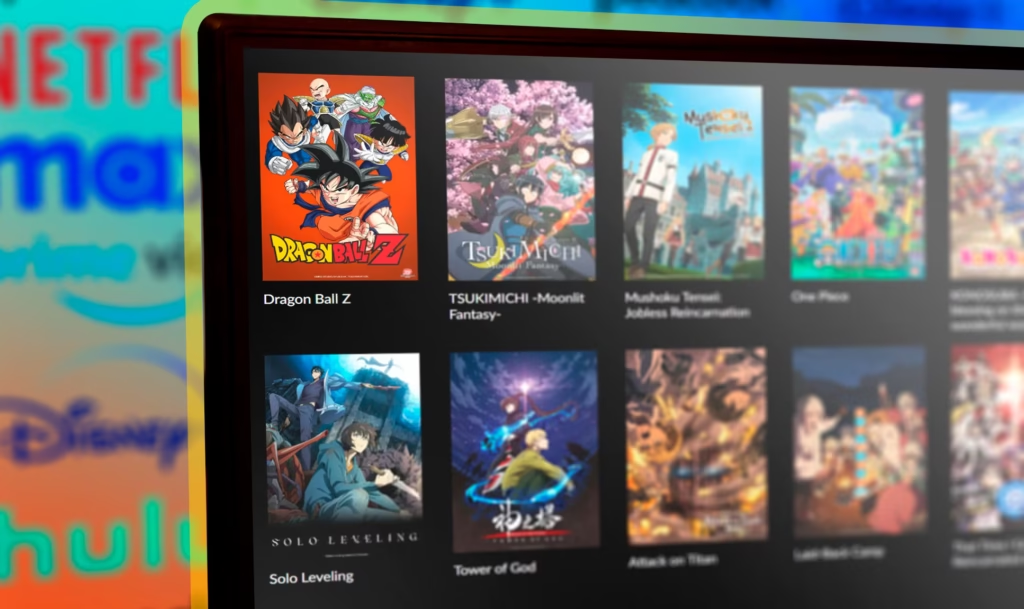
A decade ago, discovering anime required fan forums, piracy sites, or niche recommendations. Today, anime trends globally — largely due to algorithmic promotion.
When Netflix or Crunchyroll pushes anime onto homepages:
- Casual viewers discover anime without searching
- Non‑anime fans get introduced through familiar genres
- Global audiences access localized subtitles instantly
This is how titles like Demon Slayer, Jujutsu Kaisen, and Cyberpunk: Edgerunners exploded beyond core anime communities.
Algorithm Boost vs Algorithm Burial
However, algorithms don’t treat all anime equally.
Anime that:
- Gets high completion rates
- Is binge‑friendly
- Generates social buzz
…is aggressively promoted.
Meanwhile, slower, experimental, or niche anime often gets buried — regardless of quality. On Reddit, many anime fans complain that recommendation feeds repeat the same popular titles, limiting true exploration.
Why Binge‑Watching Feels Unavoidable
Binge‑watching isn’t just about cliffhangers — it’s algorithmically engineered.
Streaming platforms:
- Auto‑play the next episode
- Remove friction between episodes
- Suggest “perfect follow‑ups” instantly
Algorithms learn your binge behavior and reward it by:
- Pushing fast‑paced shows
- Promoting short episode formats
- Prioritizing series with high retention
This is why anime with tight pacing often dominate recommendations — they’re algorithm‑friendly.
Decision Fatigue: Why We Let Algorithms Choose
Modern streaming libraries are overwhelming. Thousands of anime episodes. Thousands of TV series.
Algorithms solve decision fatigue by narrowing your choices. Instead of scrolling endlessly, users trust recommendations — even if subconsciously.
This creates a feedback loop:
- Algorithm suggests a show
- You click it because it’s easy
- Platform learns it worked
- Similar shows dominate your feed
Convenient? Yes. | Limiting? Also yes.
The Dark Side: Algorithmic Bubbles & Content Homogenization
Echo Chambers in Entertainment
Just like social media, streaming algorithms can trap users in content bubbles.
If you watch:
- Shonen anime → more shonen
- Crime dramas → endless crime dramas
Over time, diversity shrinks.
Many Reddit users report rarely seeing:
- Indie anime
- Older classics
- Experimental storytelling
The algorithm optimizes for engagement, not artistic exploration.
Popularity Over Passion
Algorithms favor what keeps most people watching — not what’s best for you emotionally.
This explains why:
- Viral shows dominate homepages
- Niche masterpieces disappear quietly
- Emotional nuance gets ignored in favor of metrics
Anime vs TV: How Algorithms Treat Them Differently
Anime Algorithms
- Strong genre & tag reliance
- Heavily influenced by binge behavior
- Limited emotional or thematic depth detection
Anime fans often note that platforms struggle to understand why they watched a series — only that they watched it.
TV Series Algorithms
- More refined metadata
- Actor & creator influence
- Broader audience behavior patterns
TV recommendations often feel more accurate — but also more repetitive.
Community vs Algorithm: Who Recommends Better?
Many fans trust:
- Reddit threads
- Discord servers
- Fan‑curated lists
…more than streaming algorithms.
Why?
Because humans recommend based on emotion, context, and meaning — things algorithms still struggle to understand. This is why Crunchyflix exists — to balance algorithmic discovery with human insight.
The Future of Streaming Algorithms
Mood‑Based Recommendations
Platforms are experimenting with:
- Mood tags
- Emotional context
- Spoiler‑aware systems
Imagine selecting:
“I want a dark anime but not emotionally draining.”
We’re not fully there yet — but it’s coming.
AI That Understands Storytelling
Future algorithms may analyze:
- Narrative structure
- Emotional arcs
- Character depth
This could finally allow recommendations based on why a story resonates — not just surface‑level data.
How to Outsmart Streaming Algorithms (As a Viewer)
- Manually search for hidden titles
- Use external platforms like Crunchyflix 😉
- Explore fan recommendations
- Clear or diversify watch history occasionally
Algorithms adapt — but you still have control.
Final Thoughts: Are Algorithms Ruining or Revolutionizing Anime & TV?
Streaming algorithms aren’t evil — but they aren’t neutral either.
They:
- Make discovery easier
- Expand anime globally
- Encourage binge culture
But they also:
- Narrow creative exposure
- Favor popularity over depth
- Shape taste invisibly
Understanding how they work empowers you to watch smarter, not just longer. And if you want real recommendations driven by passion, theory, and fandom — you already know where to find them.
“Crunchyflix”
SHARE ON OTHER SOCIAL PLATFORMS
FAQ’S
Stay in the Loop!
📩 Join Our WhatsApp Channel for Anime & TV Series Updates
🔗 Follow Us on Instagram, Facebook & Pinterest
🛒 Support us → [Love what we do? Support Crunchyflix on Patreon]