Artificial Intelligence is no longer a futuristic concept reserved for sci-fi stories— AI is changing anime and TV shows production. From speeding up animation workflows to enhancing CGI, improving scripts, and even recreating voices, AI has become a powerful tool behind the scenes of modern entertainment.
Studios today face rising production costs, tight deadlines, and ever-increasing audience expectations. AI helps solve these challenges by automating repetitive tasks, assisting creative decisions, and opening new possibilities that were previously impossible or too expensive. In this article will discuss how AI is changing anime and TV shows.
But while AI brings efficiency and innovation, it also sparks debates about creativity, ethics, and the future of human artists. Let’s explore how AI is changing both anime production and TV show creation, and what it means for the industry moving forwarding.
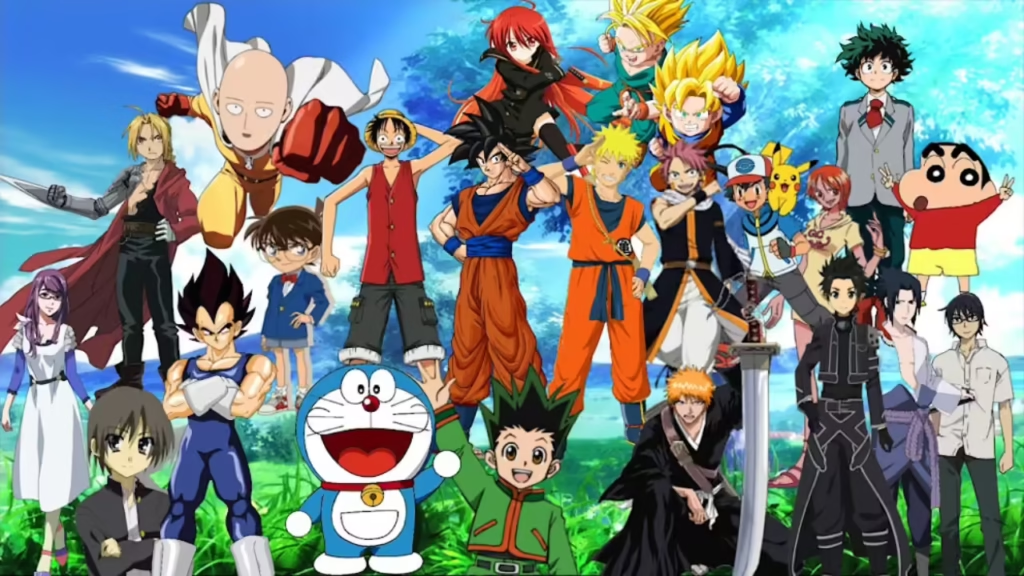
How AI is Changing Anime
Anime has always been a labor-intensive art form. Traditional hand-drawn animation requires immense time, skill, and manpower. AI is now stepping in—not to replace animators, but to assist them.
Animation & In-Between Frames
One of the biggest breakthroughs is AI-assisted in-betweening.
Traditionally, animators draw keyframes, while assistants create the in-between frames to make motion smooth—a time-consuming process.
AI tools can now:
- Automatically generate in-between frames
- Maintain consistent motion and proportions
- Reduce production time significantly
This allows animators to focus more on key scenes, emotions, and storytelling rather than repetitive frame work.
Background Art
Backgrounds play a massive role in anime world-building. AI is helping studios:
- Generate detailed environment concepts quickly
- Enhance lighting, textures, and depth
- Speed up background drafts for fantasy or sci-fi worlds
Instead of replacing background artists, AI acts as a concept accelerator, giving artists a strong base to refine and personalize.
Voice Synthesis
AI voice synthesis has become especially useful in:
- Temporary voice tracks during production
- Re-creating voices when actors are unavailable
- Dub previews and localization testing
While final performances are still mostly done by human voice actors, AI helps studios experiment and plan more efficiently.
Storyboarding
Storyboards define the visual flow of an anime episode. AI tools can now:
- Convert scripts into rough visual boards
- Suggest camera angles and scene transitions
- Speed up pre-production planning
This helps directors visualize episodes earlier and make creative changes before full animation begins.
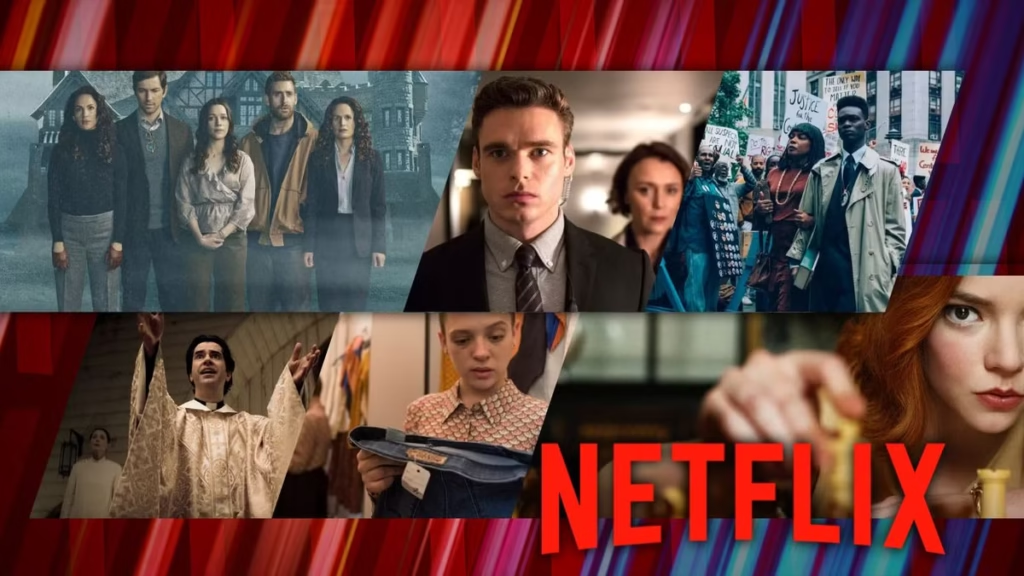
How AI Is Changing TV Shows Production
AI adoption in TV production is even broader, covering everything from writing to post-production.
Scriptwriting & Idea Generation
AI tools are increasingly used to:
- Generate story ideas and plot outlines
- Analyze audience preferences
- Suggest dialogue variations
While AI doesn’t replace writers, it acts as a creative assistant, helping writers brainstorm faster and overcome writer’s block.
Streaming platforms especially use AI to analyze what type of stories resonate most with viewers.
CGI & VFX
AI has revolutionized visual effects by:
- Automating rotoscoping
- Enhancing realistic lighting and textures
- Speeding up complex CGI sequences
This has made high-quality visuals more accessible, even for TV shows with limited budgets—something previously reserved for big-budget films.
Casting & De-Aging
One of the most talked-about uses of AI is digital de-aging and facial reconstruction.
AI helps with:
- Making actors appear younger or older
- Recreating characters for flashbacks
- Improving facial expressions in CGI-heavy scenes
This technology has been widely used in major franchises and continues to improve in realism.
Editing & Post-Production
Post-production is where AI truly shines:
- Automated scene tagging
- Color correction suggestions
- AI-assisted trailers and previews
- Faster editing workflows
Editors can now spend more time refining storytelling instead of handling repetitive technical tasks.
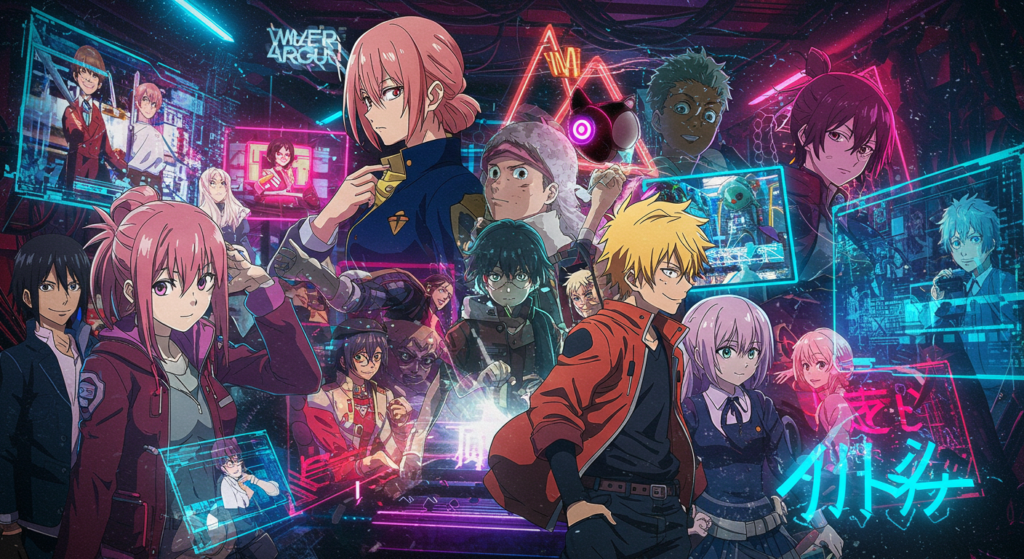
Anime vs TV: Key Differences in AI Usage
How AI is changing Anime and TV Show
While both industries use AI, their focus differs:
| Anime | TV Shows |
|---|---|
| AI helps speed up hand-drawn animation | AI enhances live-action visuals |
| Used heavily in in-between frames | Used heavily in CGI & VFX |
| Supports stylized art consistency | Focuses on realism |
| Aids background and storyboard creation | Aids editing and audience analysis |
Anime relies on AI to support artistic workflows, while TV shows use AI more for visual realism and data-driven decisions.
Real-World Examples of AI in Action
- Netflix uses AI to analyze viewing habits, recommend content, and optimize production planning.
- MAPPA and other anime studios experiment with AI-assisted animation to meet tight deadlines.
- Disney invests heavily in AI for CGI, facial animation, and de-aging technology.
- Hollywood studios use AI for VFX automation and script analysis.
These examples show that AI is already deeply embedded in modern production pipelines.
Ethical Concerns & Fan Reactions
Despite its benefits, AI raises serious concerns:
- Will AI replace animators, writers, or voice actors?
- Who owns AI-generated content?
- Can AI respect artistic originality?
Fans are divided. Some welcome smoother animation and faster releases, while others fear a loss of human emotion and authenticity.
Studios now face the challenge of using AI responsibly, ensuring that human creativity remains at the heart of storytelling.
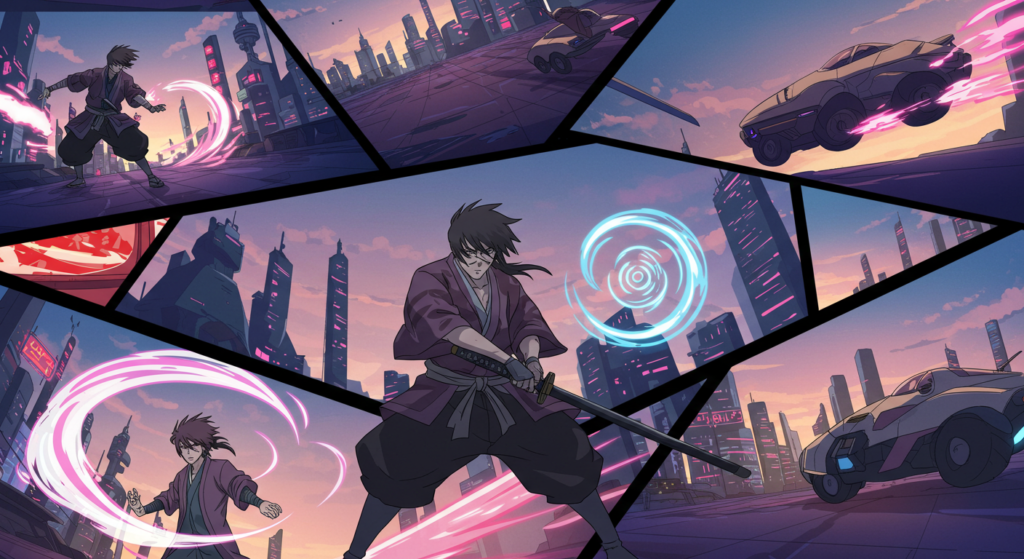
The Future of AI in Anime & TV
Looking ahead, AI will likely:
- Become a standard production assistant
- Improve real-time animation workflows
- Enable more indie creators to produce high-quality content
- Help personalize viewing experiences
Rather than replacing creators, AI will empower them—if used ethically and creatively.
The future of entertainment is not AI vs humans, but AI + humans working together.
Final Thoughts
AI is reshaping how anime and TV shows are made—but it’s not killing creativity. Instead, it’s redefining workflows, opening new doors, and changing how stories reach audiences worldwide.
For fans, creators, and studios alike, the key lies in balance—embracing innovation while protecting the soul of storytelling.
SHARE ON OTHER SOCIAL PLATFORMS
FAQ’S
Stay in the Loop!
📩 Join Our WhatsApp Channel for Anime & TV Series Updates
🔗 Follow Us on Instagram, Facebook & Pinterest
🛒 Support us → [Love what we do? Support Crunchyflix on Patreon]